Distributed Sensors
Sensing points can be placed across a site or built environment to observe conditions that are not visible from one device alone.
Solution Area
Smart infrastructure solutions combine distributed sensors, embedded devices, communications, and shared visibility layers to support monitoring and connected observation across built environments.
Smart infrastructure is best treated as a connected-systems problem, not a marketing label. The useful questions are about node placement, sensing goals, site coverage, device health, and how multiple distributed points will be interpreted once the telemetry reaches the software layer.
That makes this solution area a good fit for environmental observation, distributed sensors, and infrastructure-oriented telemetry concepts where visibility across a broader physical environment matters more than a single standalone device.
IoTSolutions keeps this solution area broad enough to support future use cases without overstating current municipal or smart-city deployment experience.
The exact stack depends on the operating environment, but these are the common layers and handoffs that shape this solution area.
Sensing points can be placed across a site or built environment to observe conditions that are not visible from one device alone.
Each node manages local measurements, device state, and transmission readiness according to the environment.
The transport path may rely on GSM/LTE, Wi-Fi, LoRa, or a gateway model depending on coverage and power realities.
Telemetry is organized so multiple distributed nodes can be reviewed coherently over time.
Infrastructure-oriented views help teams understand site conditions, node health, and recent changes across the monitored area.
Multiple sensing points make it possible to compare conditions across a larger physical area or asset group.
Outdoor or public-facing nodes need realistic assumptions about weather exposure, service access, and available power.
Network design has to reflect site coverage, placement, and the practical cost of keeping nodes visible.
Multi-node systems benefit from dashboards that can compare location, condition, and health rather than just single-device logs.
A multi-node system is only useful if placement strategy reflects what conditions need to be compared or observed.
Infrastructure sensors may be physically dispersed, so the servicing model matters almost as much as the electronics.
Communication paths must be chosen according to site geometry, node count, and the cost of keeping telemetry visible.
Operators need a way to interpret distributed data without losing track of which node, area, or condition changed.
Public-space environmental observation
Distributed infrastructure telemetry concepts
Site-wide sensor visibility
Shared monitoring dashboards for built environments
Core Service
Connected system design spanning devices, firmware, communications, data flow, and operator-facing interfaces.
Firmware & Device Logic
Firmware-focused development for microcontroller-based systems, sensor interfaces, device logic, and hardware integration.
Communications Strategy
Connectivity planning and remote telemetry system design shaped by range, power, reliability, infrastructure, and field conditions.
Data Interfaces
Software interfaces and platform-oriented development for monitoring, telemetry visualization, device status, and connected operations.
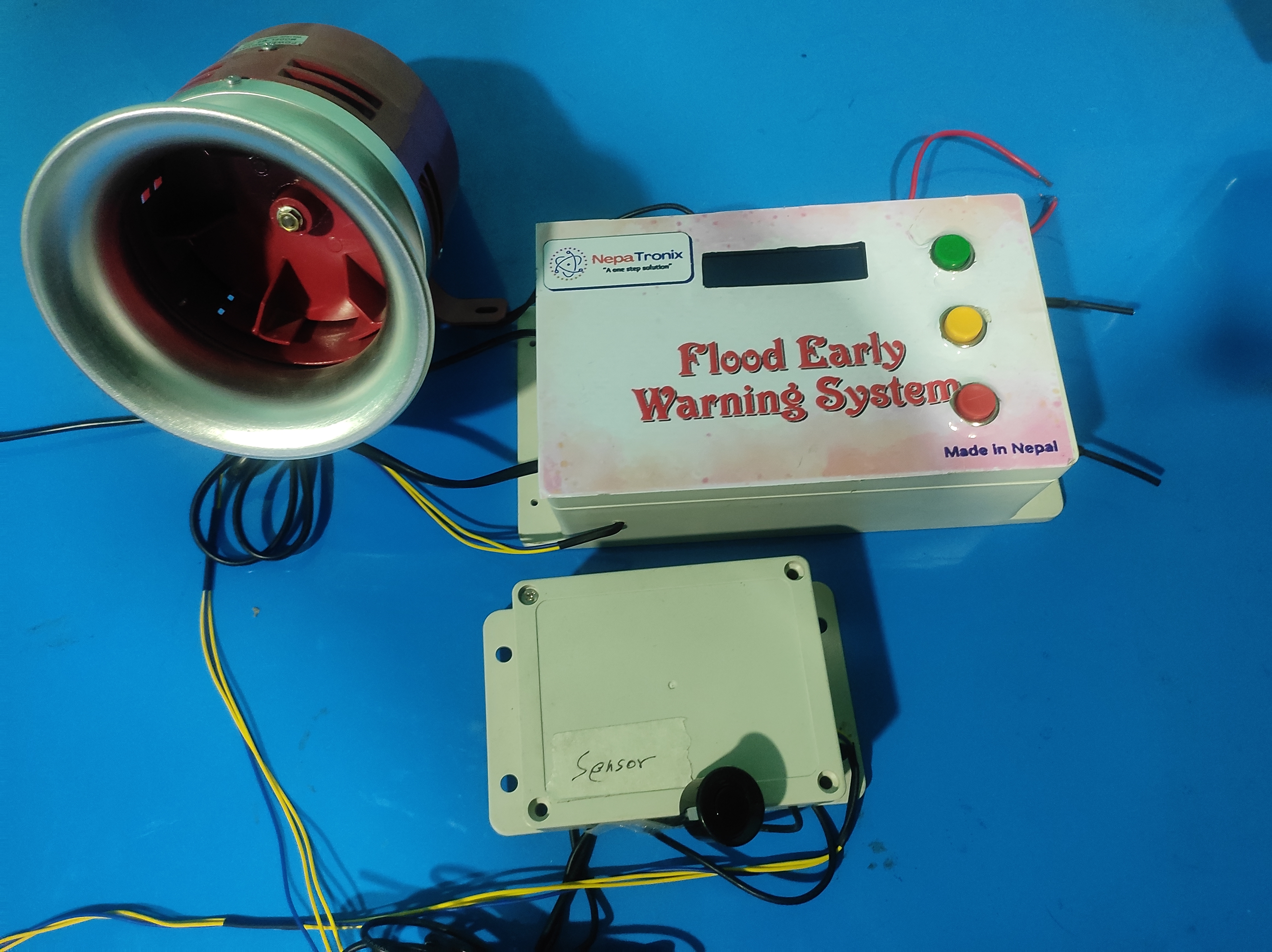
A real-time flood early warning system using ultrasonic water-level sensing, LoRa communication, multiple connected nodes, and a 120 dB siren for automatic and manual alerts.
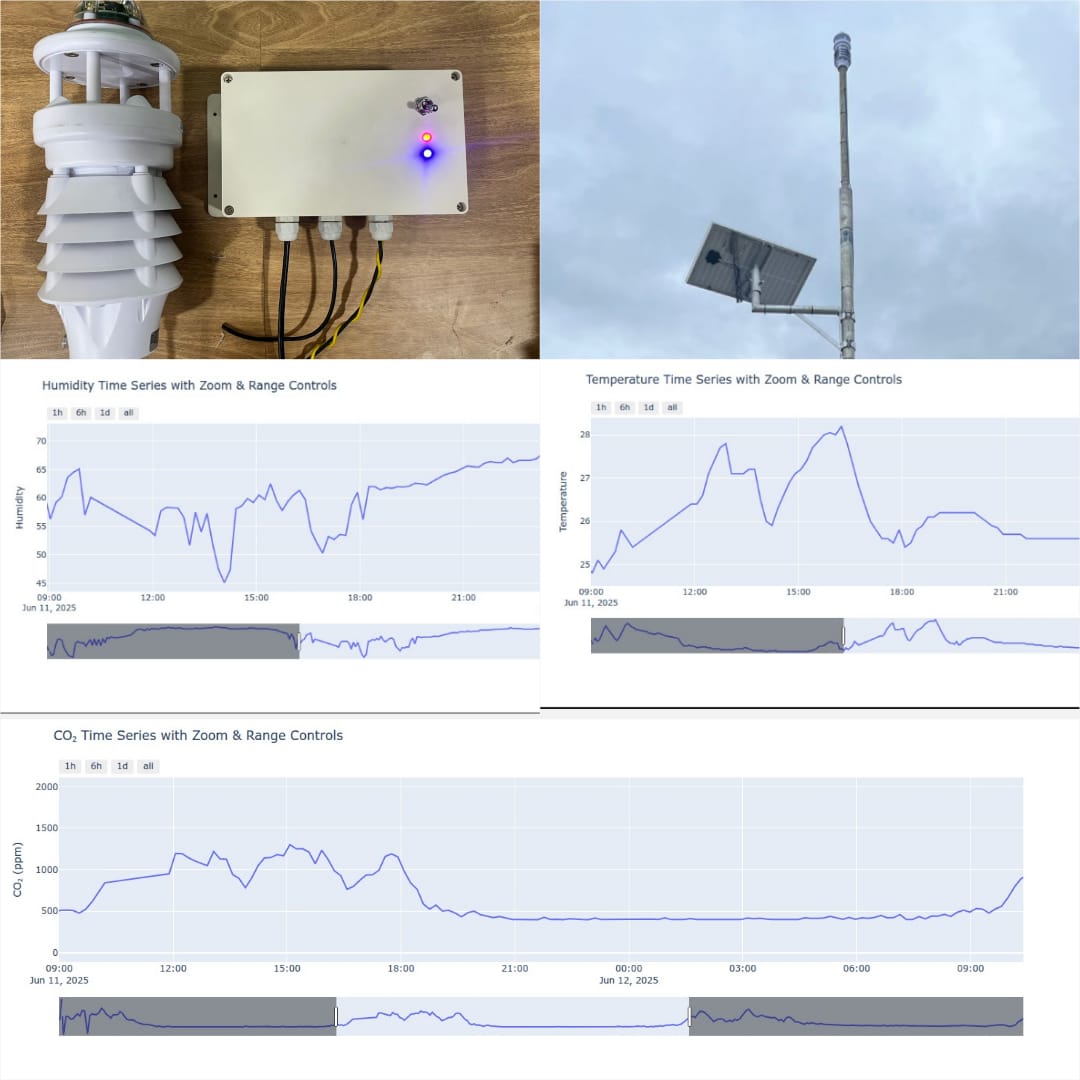
A solar-powered ESP32 weather station that monitors temperature, humidity, CO₂, light intensity, wind, PM2.5, and PM10 using RS485-connected sensors and GSM-based remote communication.
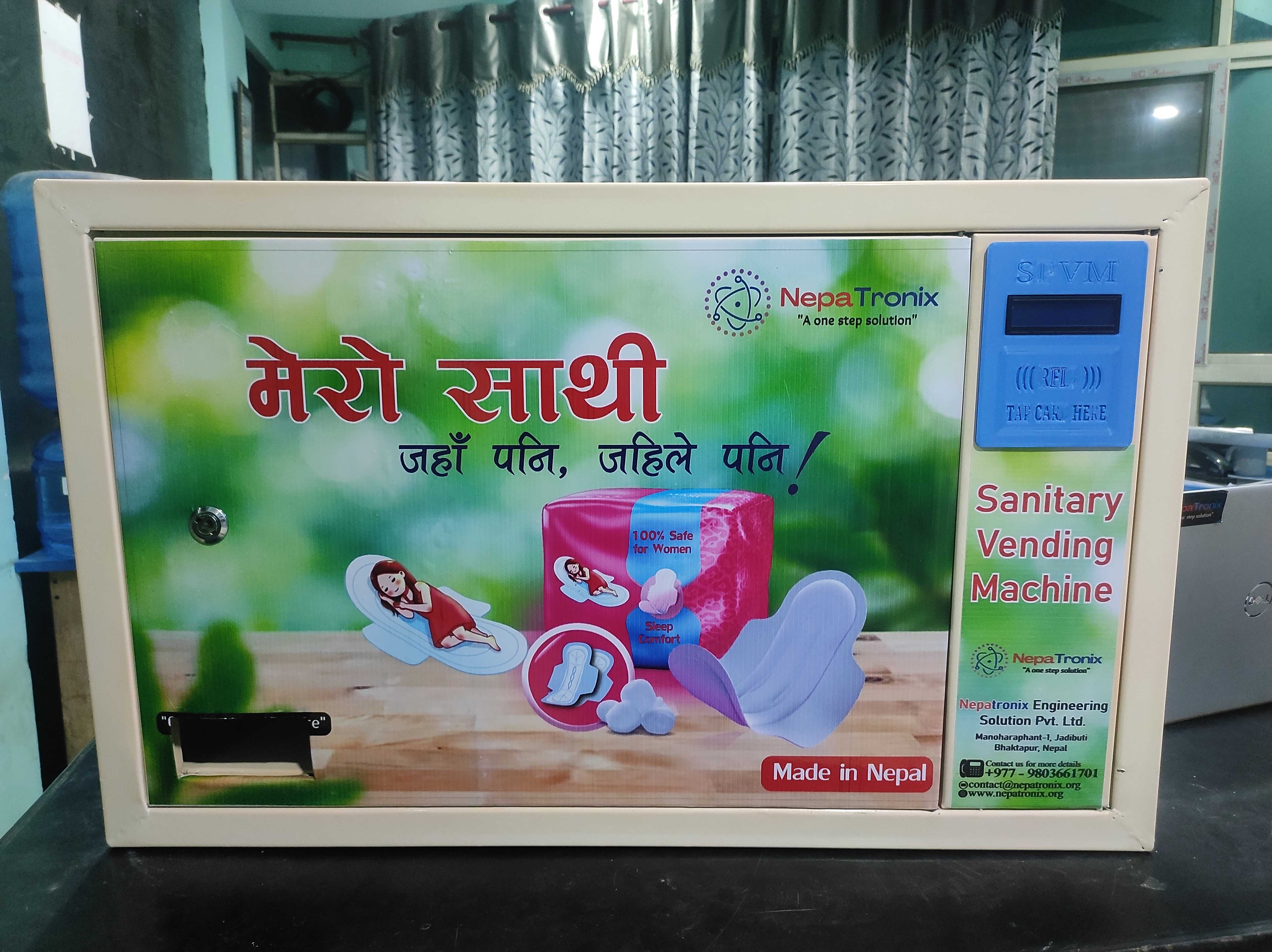
An ESP32-based sanitary pad vending machine with RFID access, automated stepper-motor dispensing, local status display, battery backup, and remote monitoring.
Next Step
We can discuss the sensing strategy, embedded logic, connectivity approach, and software visibility that make the solution practical in the field.