Core Service
IoT System Development
Connected system design spanning devices, firmware, communications, data flow, and operator-facing interfaces.
- Connected device architecture
- Sensor integration
- Firmware development
A solar-powered ESP32 weather station that monitors temperature, humidity, CO₂, light intensity, wind, PM2.5, and PM10 using RS485-connected sensors and GSM-based remote communication.
A 12 V solar-powered environmental monitoring station built around ESP32, RS485 field sensors, and GSM connectivity for remote weather, air-quality, agricultural, climate, and meteorological data collection.
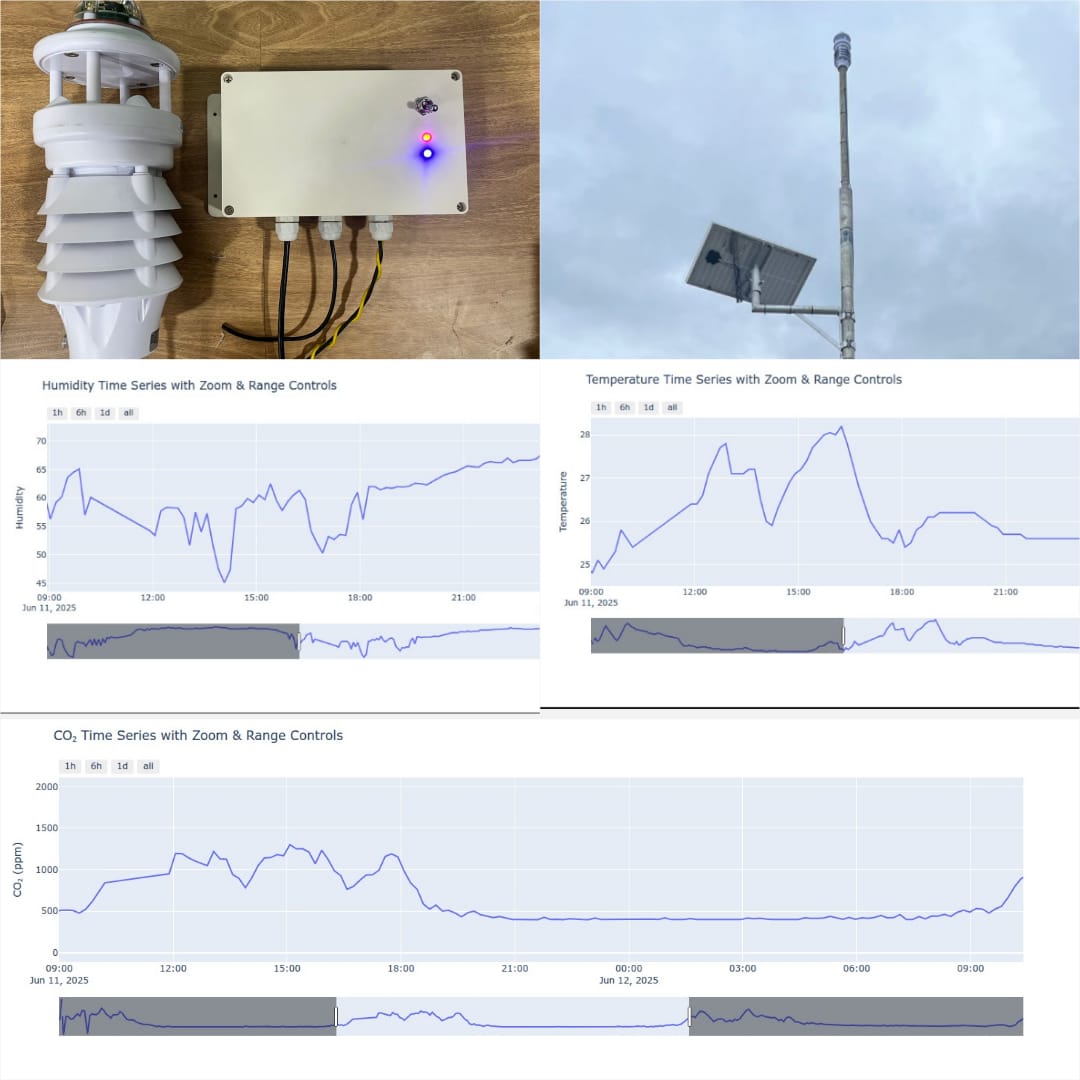
The Solar-Powered Weather and Air Quality Monitoring Station is a standalone environmental monitoring system designed for continuous field data collection.
It uses an ESP32 controller, RS485-connected sensors, and GSM communication to collect and transmit weather and air-quality measurements from remote locations.
The system measures:
The complete station operates from a 12 V solar-powered system with battery storage.
The power system is designed to provide approximately seven days of backup operation under the intended operating conditions, supporting continued monitoring during periods of low solar availability.
RS485 is used between the ESP32 and field sensors for reliable wired communication, while GSM provides remote connectivity for transmitting collected data to a server or monitoring platform.
Sensors → RS485 → ESP32 → GSM → Remote Server / Dashboard
This makes the station suitable for locations where Wi-Fi or fixed internet infrastructure is not available.
The system can be used for:
The system was developed as a completed working prototype combining solar power, ESP32 control, RS485 sensor networking, GSM communication, weather monitoring, and air-quality measurement.
Its modular architecture makes it suitable for different environmental and agricultural monitoring applications.
Core Service
Connected system design spanning devices, firmware, communications, data flow, and operator-facing interfaces.
Firmware & Device Logic
Firmware-focused development for microcontroller-based systems, sensor interfaces, device logic, and hardware integration.
Proof of Concept
Prototype-oriented engineering for evaluating sensors, modules, power approaches, and early connected-system ideas.
Communications Strategy
Connectivity planning and remote telemetry system design shaped by range, power, reliability, infrastructure, and field conditions.
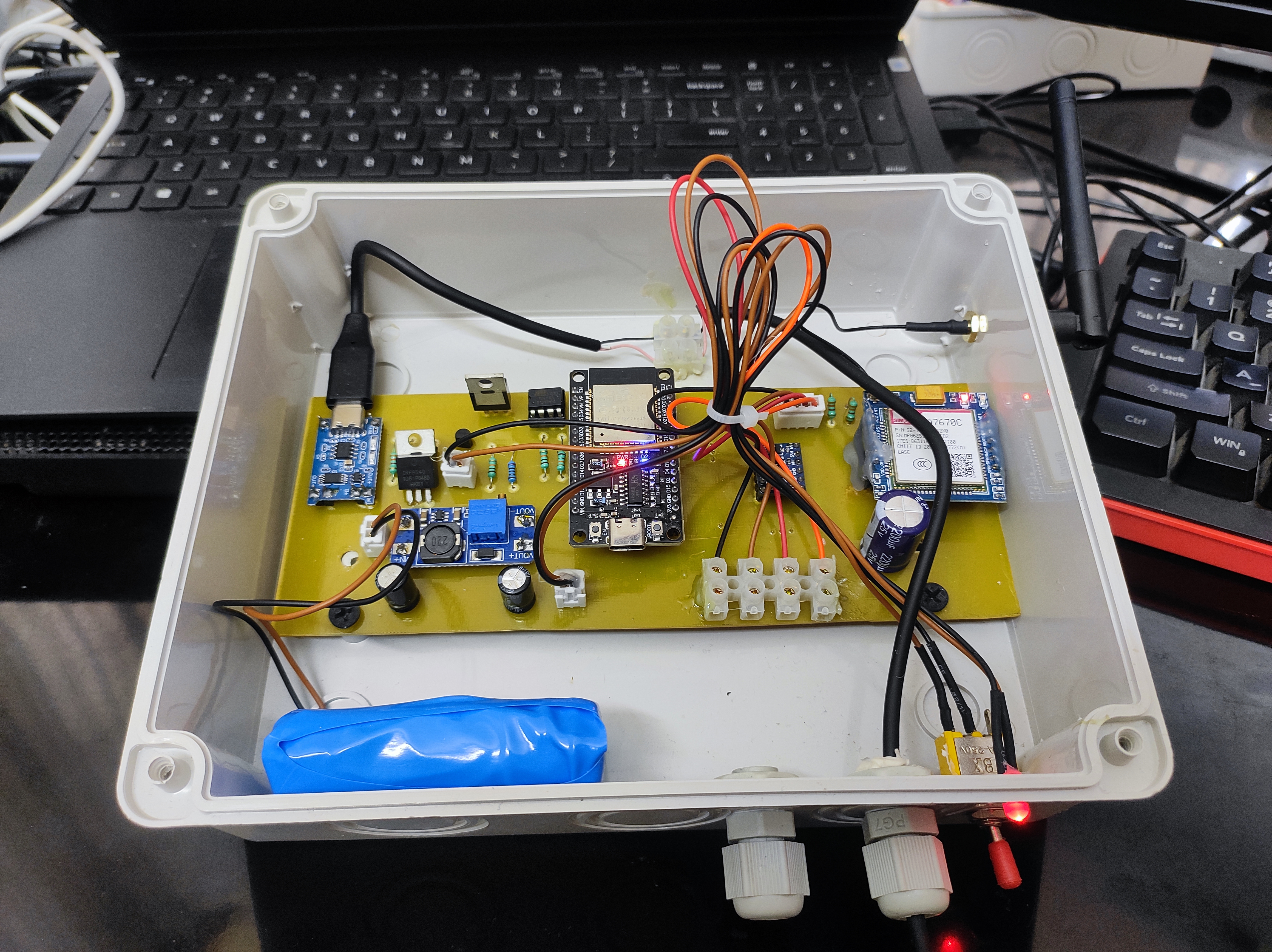
A compact ESP32-based microclimate monitoring device using an SHT45 sensor, GSM communication, OTA firmware updates, and 18650 Li-ion battery backup.
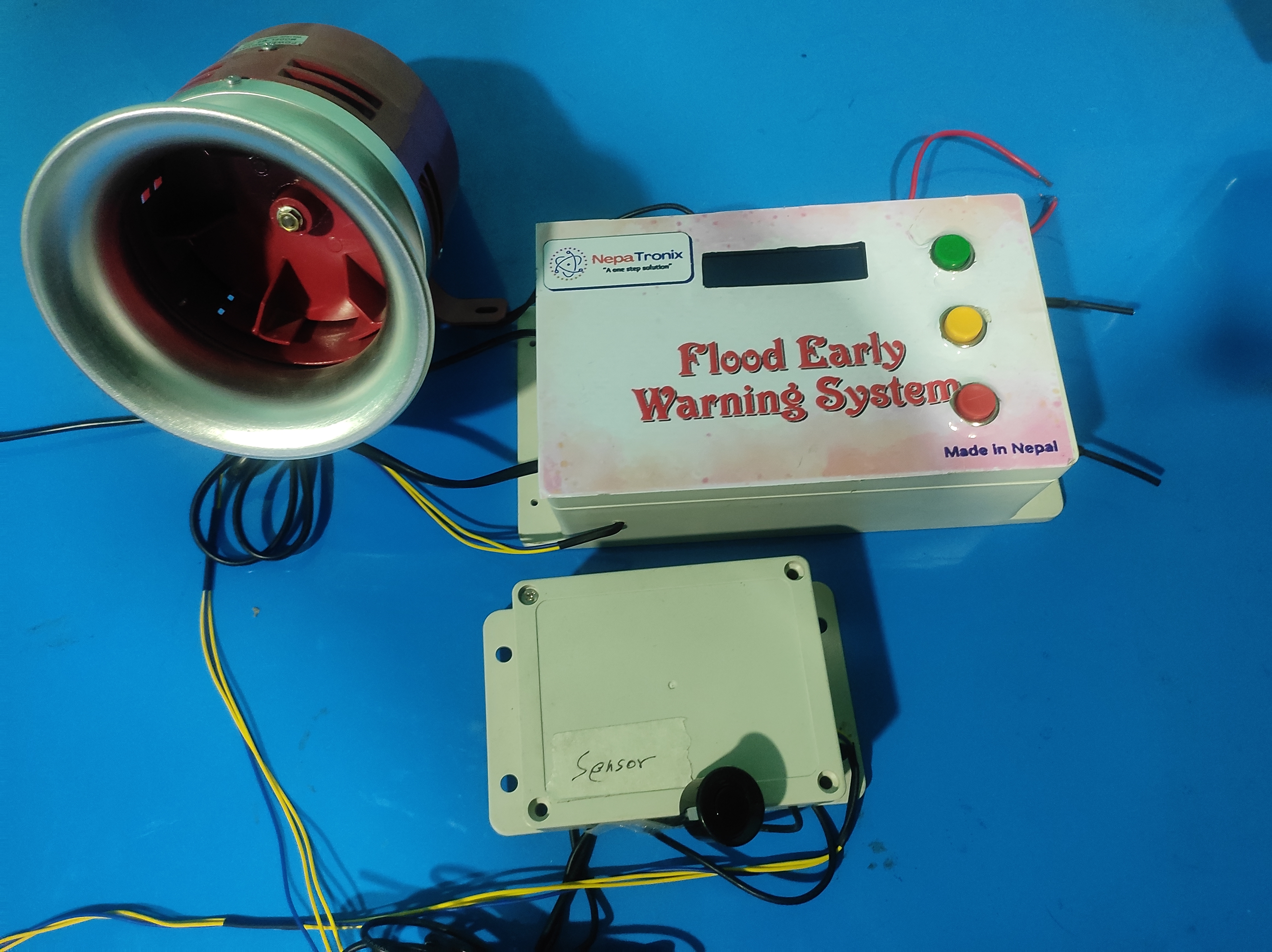
A real-time flood early warning system using ultrasonic water-level sensing, LoRa communication, multiple connected nodes, and a 120 dB siren for automatic and manual alerts.

A flexible ESP32-based agricultural automation system with Wi-Fi and GSM connectivity, sensor-driven control, manual and automatic operation, and mobile and web monitoring.
Need a similar system?
If the challenge looks similar to this case study, we can map scope, hardware, firmware, connectivity, and supporting software before the build gets expensive.