Core Service
IoT System Development
Connected system design spanning devices, firmware, communications, data flow, and operator-facing interfaces.
- Connected device architecture
- Sensor integration
- Firmware development
An ESP32-based real-time gold price display system using Wi-Fi, WebSocket communication, and large seven-segment displays for clear and continuously updated pricing.
A connected gold price display board designed for jewelry shops and gold businesses. The system uses an ESP32, Wi-Fi connectivity, WebSocket-based real-time updates, and high-visibility seven-segment displays to present current gold prices clearly to both shop owners and customers.
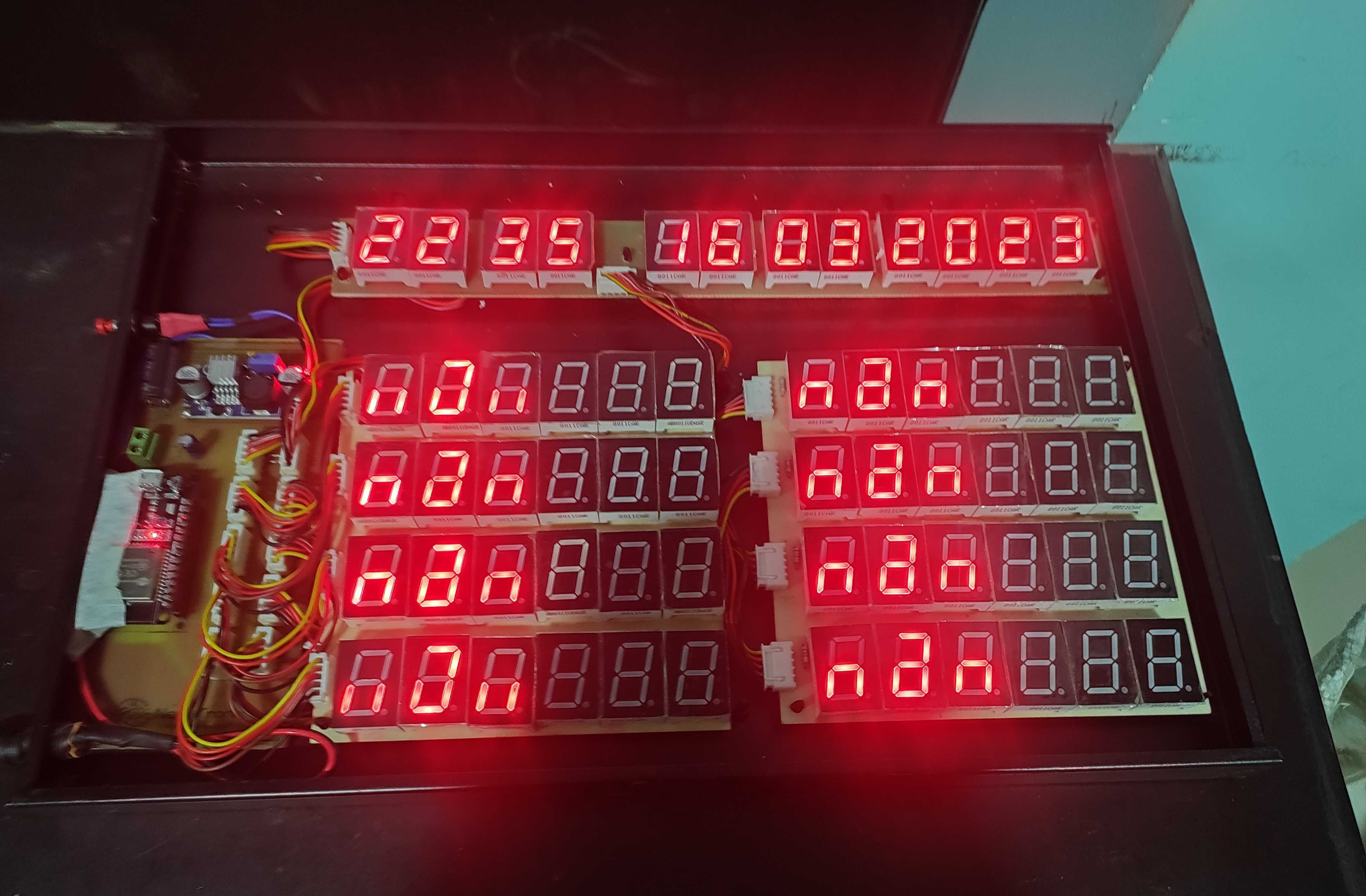
The Real-Time Gold Price Display Board is a connected digital display system developed for jewelry shops and other gold businesses that need to present frequently changing gold prices clearly and accurately.
The system uses an ESP32 microcontroller, Wi-Fi connectivity, and WebSocket communication to receive updated pricing data in real time. Large seven-segment displays provide clear visibility for both shop owners and customers.
The objective was to create a fast, reliable, and practical display system that reduces the need for manually updating price boards whenever market prices change.
Gold prices can change frequently, and jewelry shops need a convenient way to communicate the latest prices to customers.
Traditional manual boards require staff to update the displayed values repeatedly. This can be inconvenient, time-consuming, and may result in outdated prices remaining visible.
The display system therefore needed to provide:
The system uses an ESP32 as the main embedded controller.
The ESP32 connects to the local Wi-Fi network and maintains a WebSocket connection with the data source. When a new gold price is received, the controller processes the data and immediately updates the corresponding seven-segment displays.
This allows the board to show current prices without requiring the shop operator to manually change each displayed value.
The resulting system provides a transparent and convenient way for both shop owners and customers to view updated gold prices.
The basic data flow is:
Gold Price Data Source → WebSocket Server → Wi-Fi Network → ESP32 → Display Controller → Seven-Segment Displays
The WebSocket connection allows updated values to be delivered to the display system without repeatedly requesting the complete data set.
The main hardware used in the system includes:
The large numeric displays were selected to keep pricing information easy to read for customers inside the shop.
The ESP32 firmware manages the communication and display functions of the board.
Its main responsibilities include:
The embedded design keeps the price display independent from a conventional computer at the display location.
WebSocket communication is used to maintain an active connection between the price data source and the display board.
When updated pricing becomes available, the new values can be sent directly to the ESP32 and reflected on the display with minimal delay.
This approach is well suited to applications where information changes frequently and should appear quickly on a remote display.
The board uses multiple seven-segment display modules arranged to show several gold-price values at the same time.
The bright numeric displays provide:
The display layout is designed so customers can understand the current pricing information without needing to interact with another device.
The ESP32 connects to the shop’s available Wi-Fi network.
Once connected, it communicates with the remote price-data service through WebSocket.
This architecture makes it possible to update the displayed values remotely without physically accessing the display hardware each time a price changes.
The project required both communication reliability and accurate display control.
Important engineering considerations included:
The system was developed around an ESP32 connected to multiple display modules.
After startup, the controller connects to Wi-Fi and establishes communication with the WebSocket service. Incoming pricing data is processed by the firmware and converted into values suitable for the display hardware.
The corresponding seven-segment modules are then updated so the latest pricing information is immediately visible.
The complete system combines embedded firmware, real-time networking, display electronics, and IoT communication in a single practical retail information product.
Testing focused on both communication and display behavior, including:
The system was designed to remain responsive while continuously displaying updated pricing information.
The system was developed as a completed working prototype demonstrating reliable real-time gold-price display using ESP32, Wi-Fi, WebSocket communication, and seven-segment display hardware.
It provides a practical example of how IoT and embedded systems can be used to modernize information displays in retail environments.
For a jewelry or gold shop, the system provides a simple way to keep important pricing information visible and current.
Key benefits include:
This project combines several IoTSolutions capability areas:
Core Service
Connected system design spanning devices, firmware, communications, data flow, and operator-facing interfaces.
Firmware & Device Logic
Firmware-focused development for microcontroller-based systems, sensor interfaces, device logic, and hardware integration.
Proof of Concept
Prototype-oriented engineering for evaluating sensors, modules, power approaches, and early connected-system ideas.
Communications Strategy
Connectivity planning and remote telemetry system design shaped by range, power, reliability, infrastructure, and field conditions.
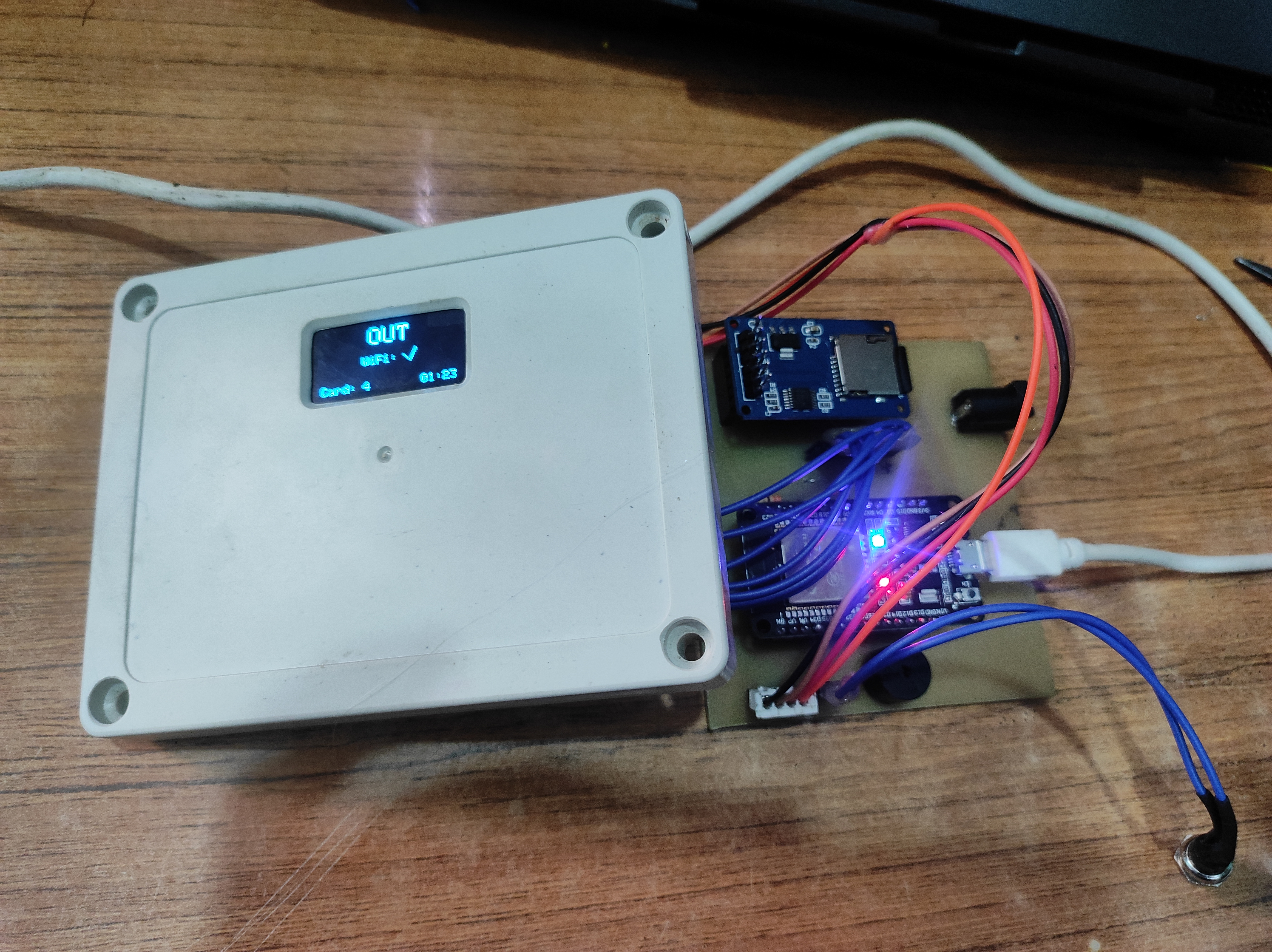
A fast and reliable ESP32-based attendance system using RFID cards, local SD-card storage, a 1.3-inch OLED display, captive-portal configuration, and battery backup.

A flexible ESP32-based agricultural automation system with Wi-Fi and GSM connectivity, sensor-driven control, manual and automatic operation, and mobile and web monitoring.
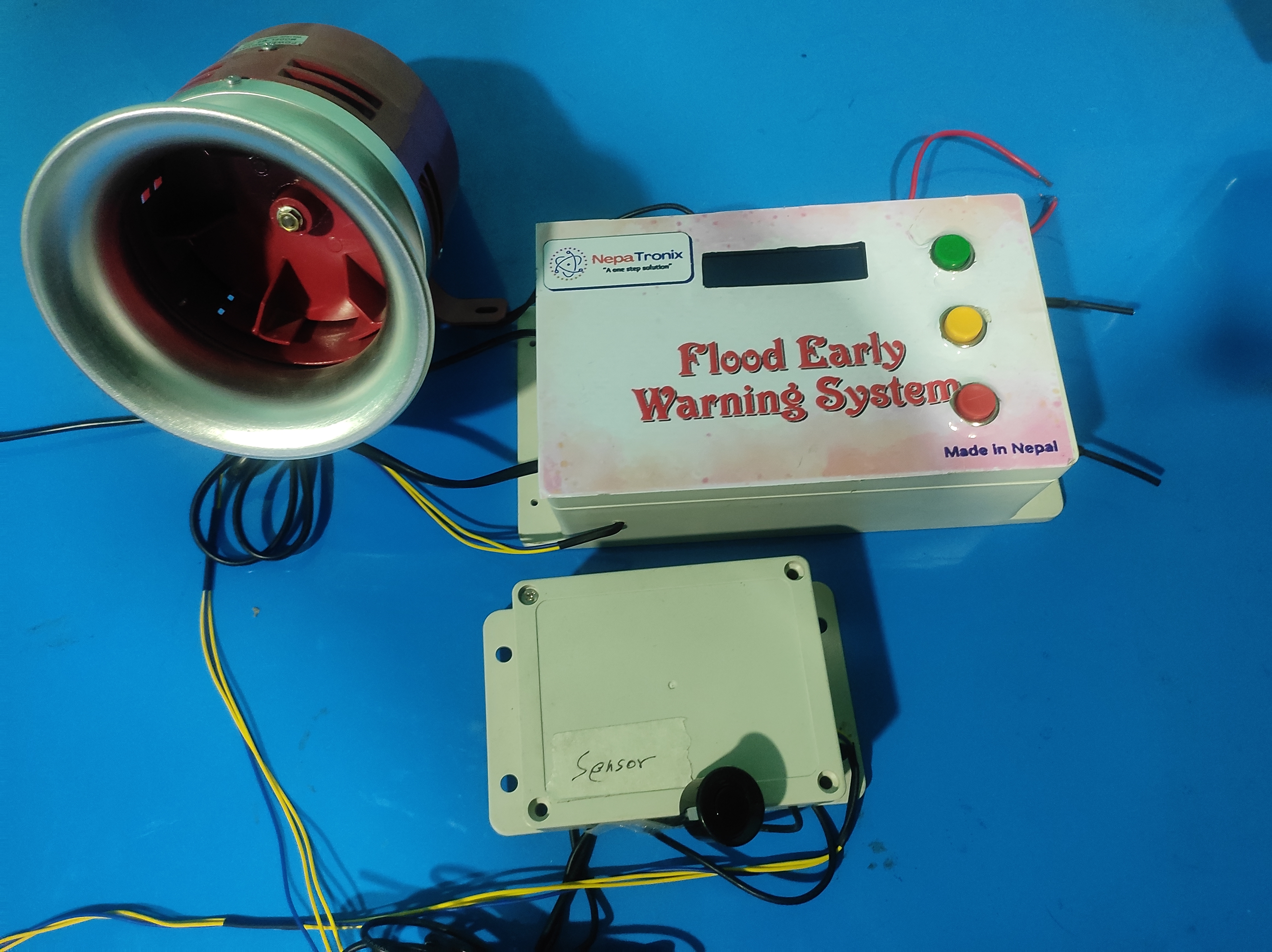
A real-time flood early warning system using ultrasonic water-level sensing, LoRa communication, multiple connected nodes, and a 120 dB siren for automatic and manual alerts.
Need a similar system?
If the challenge looks similar to this case study, we can map scope, hardware, firmware, connectivity, and supporting software before the build gets expensive.