Peripheral and sensing layer
ESP32 often acts as the bridge between sensors, control inputs, and the first level of device-side logic.
ESP32-focused work
Focused engineering support for ESP32-class work across firmware structure, sensor integration, connectivity behavior, telemetry logic, and the way the device fits into a larger prototype.
If you also want Nepal-focused entry points, the Nepal page is a good companion.
The value of ESP32 development usually appears in the handoff between peripherals, firmware behavior, connectivity decisions, and the software layer that receives the data.
ESP32 often acts as the bridge between sensors, control inputs, and the first level of device-side logic.
Reliable ESP32 development depends on clear task boundaries, defensive state handling, and practical recovery behavior.
Wi-Fi, BLE, GSM/LTE handoffs, or LoRa-adjacent architectures all change how the firmware should schedule, buffer, and transmit data.
The value of ESP32 work often appears when the device, telemetry path, and dashboard all behave as one coherent prototype.
Teams building connected proof-of-concept devices
Researchers using ESP32 for instrumentation or sensor integration
Founders validating hardware-plus-software workflows
Students who need practical microcontroller guidance for prototype work
Important boundaries
Solution Area
Connected-device architectures for unattended equipment, GSM/LTE telemetry, LoRa links, Wi-Fi access, buffering, retries, and remote device-health visibility.
Solution Area
Connected sensing and control systems for irrigation, greenhouse conditions, water availability, and remote agricultural telemetry.
Solution Area
Monitoring systems for air, weather, water, and environmental conditions where sensing, buffering, connectivity, and dashboard visibility all matter.
Example engineering work
The platform matters less than the system behavior it enables, so these examples emphasize the device, telemetry path, and end use together.

A flexible ESP32-based agricultural automation system with Wi-Fi and GSM connectivity, sensor-driven control, manual and automatic operation, and mobile and web monitoring.
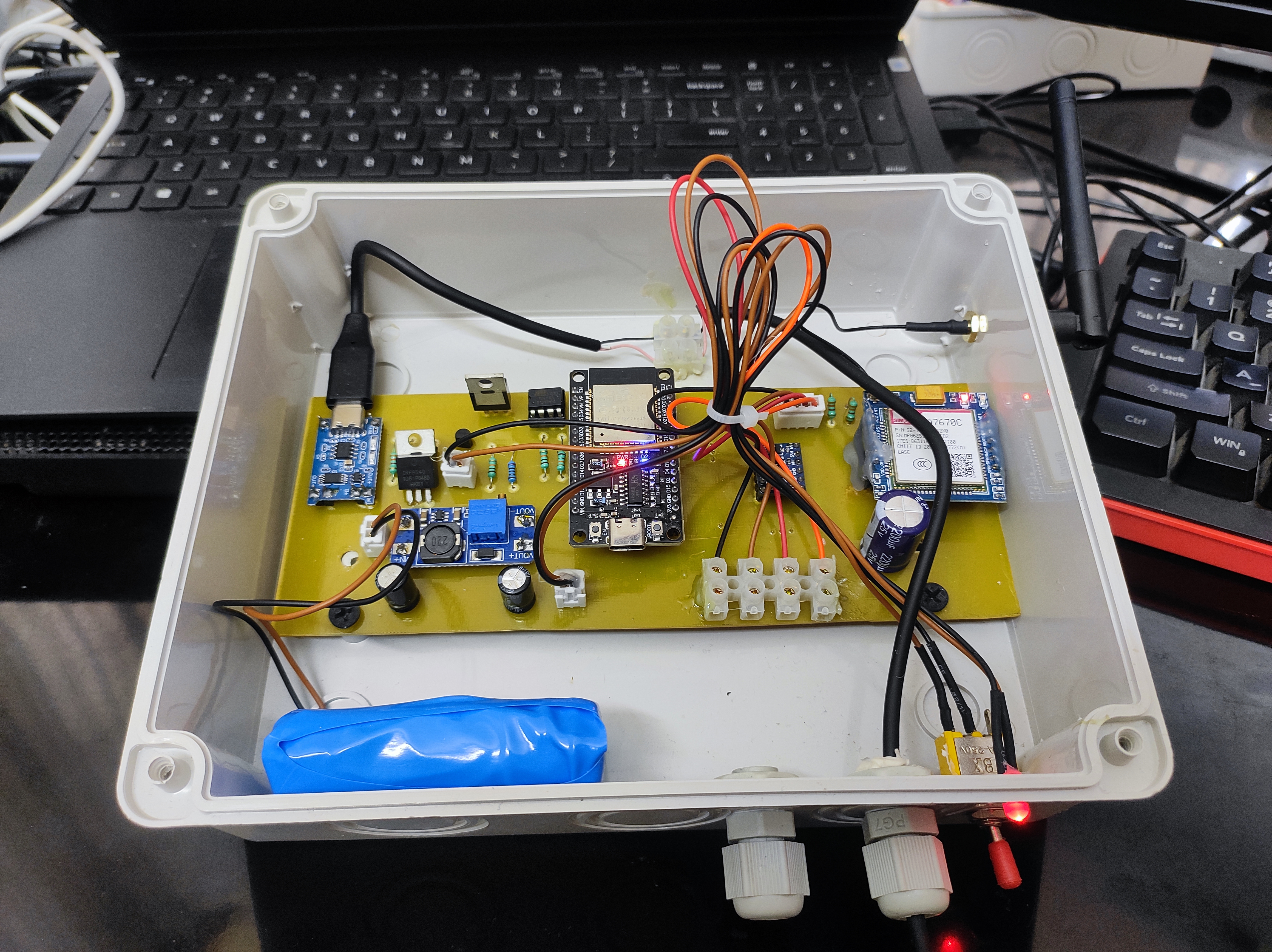
A compact ESP32-based microclimate monitoring device using an SHT45 sensor, GSM communication, OTA firmware updates, and 18650 Li-ion battery backup.
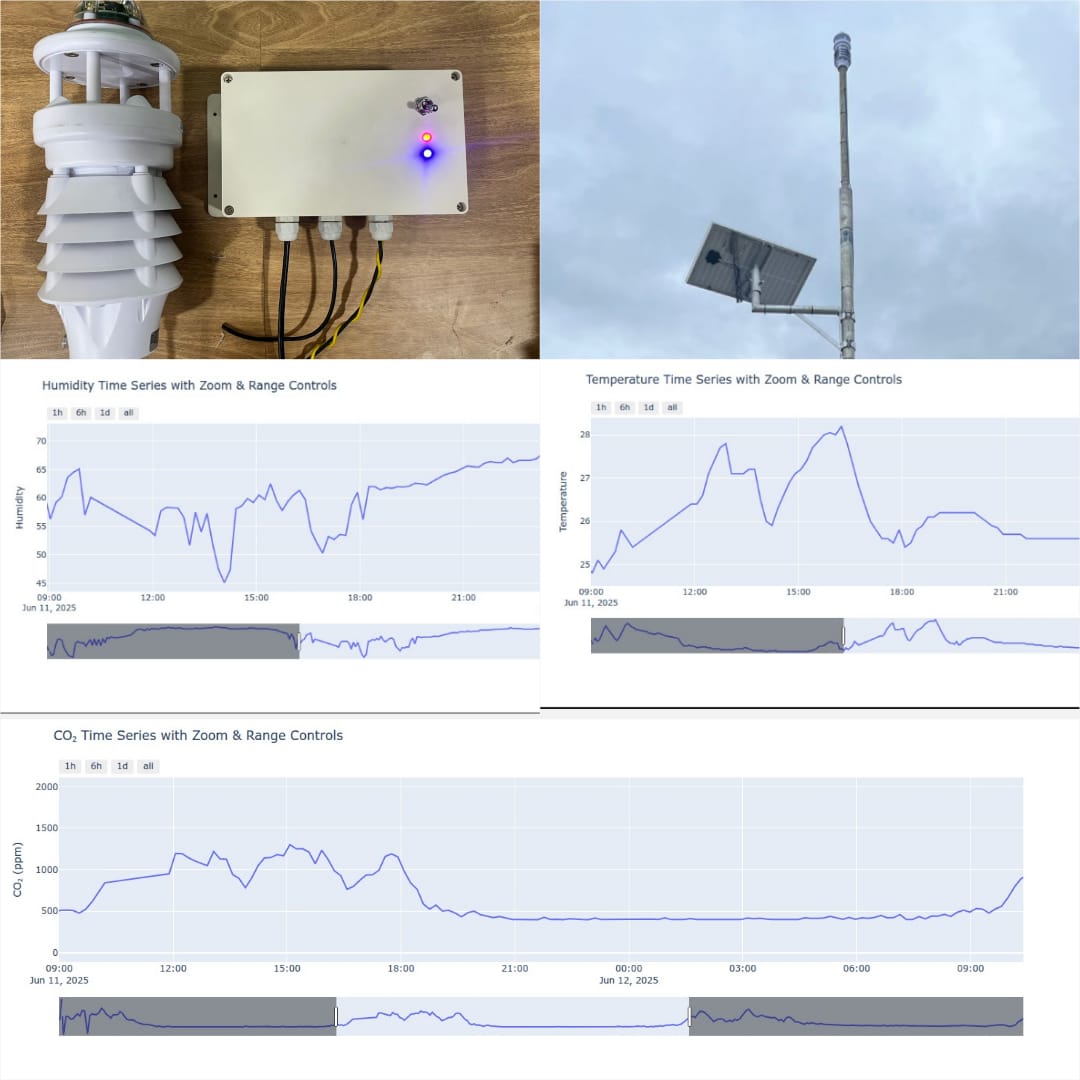
A solar-powered ESP32 weather station that monitors temperature, humidity, CO₂, light intensity, wind, PM2.5, and PM10 using RS485-connected sensors and GSM-based remote communication.
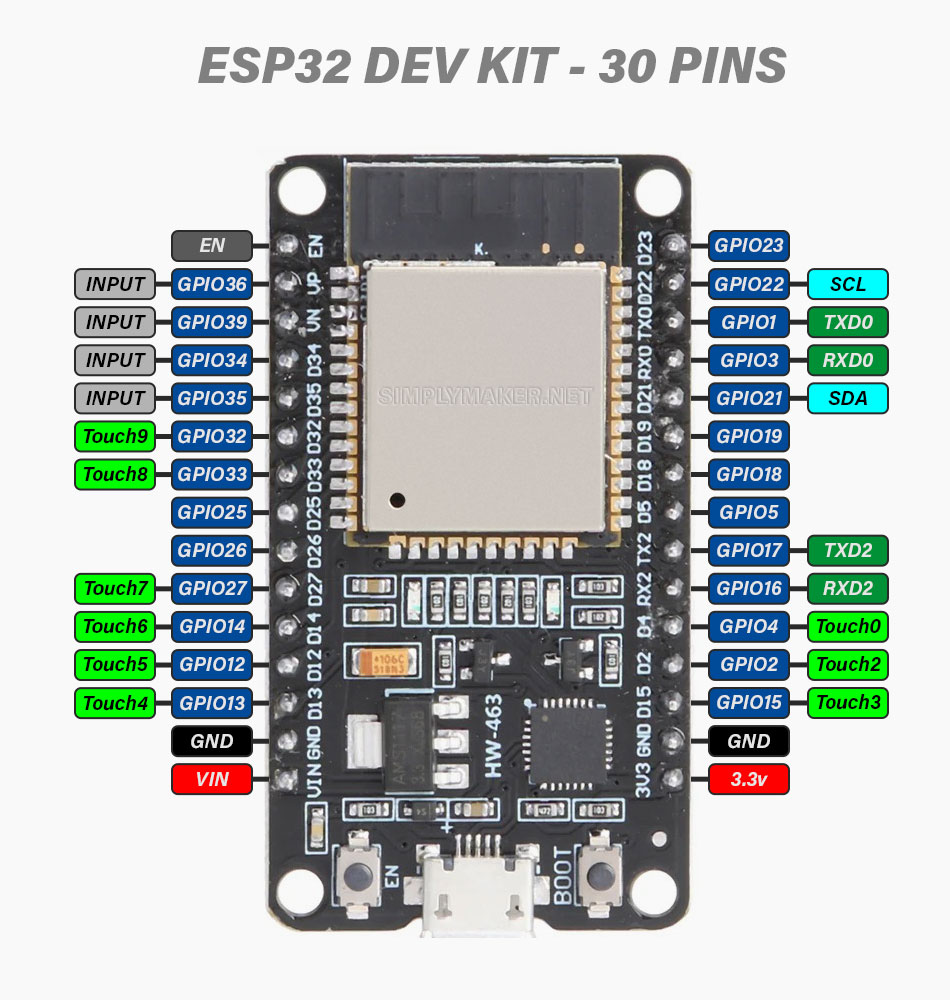
A grounded look at what ESP32 is good at in early IoT development, where its interfaces help, and when a different platform may be a better choice.
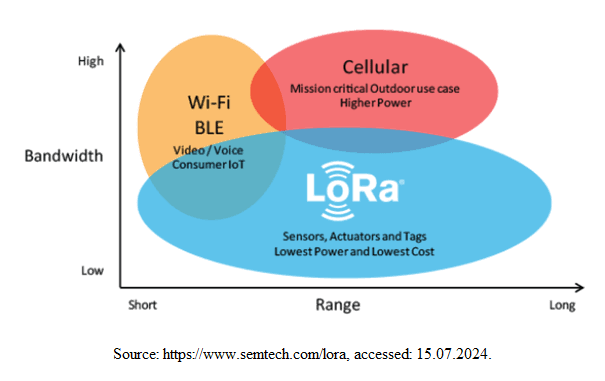
A practical framework for selecting the right wireless link for an IoT device based on range, power, infrastructure, bandwidth, and field conditions.
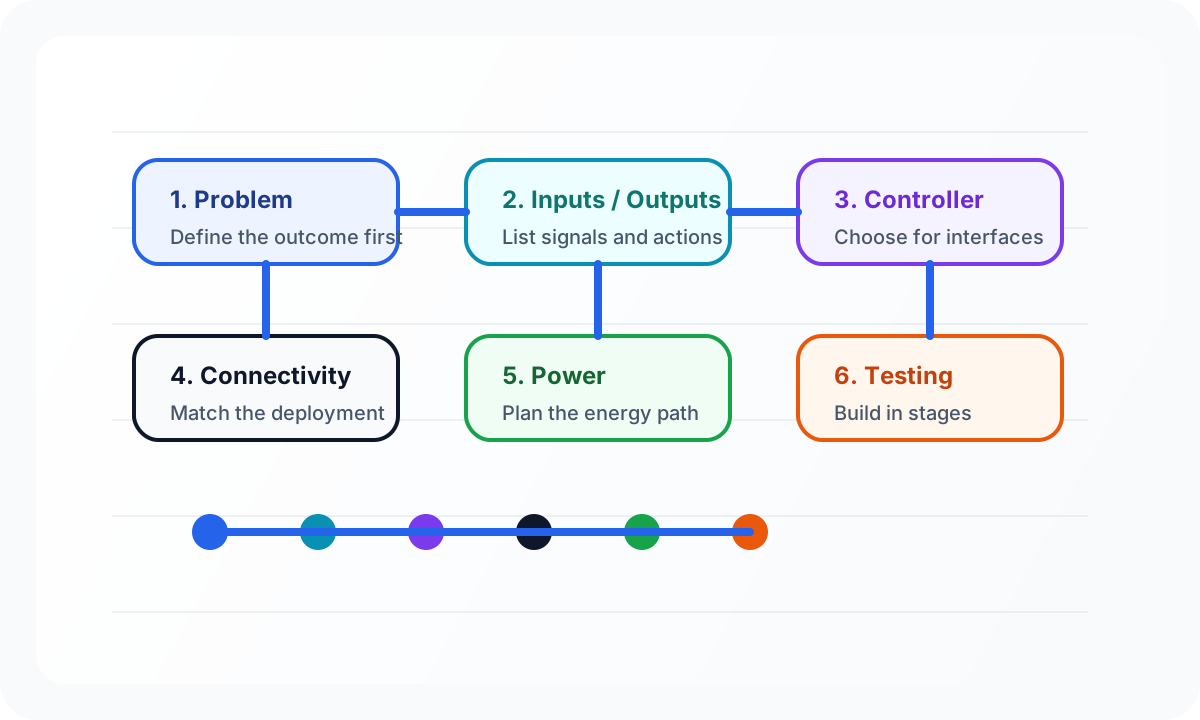
A practical planning checklist for students, startups, and technical founders who want to define the problem, interfaces, power path, and test stages before ordering hardware.
Next Step
Whether the issue is firmware structure, sensor integration, telemetry behavior, or prototype reliability, the conversation can start from the exact technical bottleneck.