Requirements and Circuit Design
Hardware requirements, interfaces, power needs, sensors, controllers, and communication modules are defined before schematic development.
Solution Area
PCB design services focused on turning working electronic concepts and prototypes into compact, reliable, and maintainable hardware for real-world embedded and IoT applications.
PCB design turns a working electronic concept into compact and dependable hardware.
IoTSolutions develops custom PCBs for IoT devices, embedded systems, sensor products, automation controllers, communication devices, and electronic prototypes. The work can cover the complete path from schematic development and component selection through PCB layout, prototype assembly, testing, and hardware revision.
Designs can integrate technologies such as ESP32, sensors, GSM/LTE, LoRa, RS485, Wi-Fi, relays, displays, battery systems, and actuator interfaces, depending on the application.
The exact stack depends on the operating environment, but these are the common layers and handoffs that shape this solution area.
Hardware requirements, interfaces, power needs, sensors, controllers, and communication modules are defined before schematic development.
Components and electrical connections are organized into a clear circuit design suitable for implementation and testing.
Components are placed and routed with attention to power paths, grounding, signal integrity, connectors, and physical constraints.
The PCB can be manufactured and assembled for functional testing and hardware validation.
Prototype results are used to identify improvements before the next hardware revision or deployment.
ESP32 or other embedded controllers can be integrated directly into the board depending on system requirements.
Interfaces can support analog, digital, I2C, SPI, UART, RS485, and other sensor connections.
Hardware can integrate GSM, LoRa, Wi-Fi, Ethernet, RS485, and other communication technologies.
Power conversion, battery interfaces, voltage regulation, protection, and supply distribution are designed around the application.
Relay, motor, valve, display, and other control interfaces can be included where required.
Voltage regulation, current requirements, battery operation, protection, and power distribution are considered from the beginning.
Placement and routing are planned around signal paths, grounding, communication interfaces, and practical board dimensions.
Connectors, test points, programming interfaces, and component accessibility help simplify testing and future revisions.
PCB dimensions, mounting points, connectors, displays, antennas, and enclosure requirements are considered together.
IoT device PCBs
Environmental monitoring hardware
Agricultural automation controllers
Remote monitoring devices
Sensor interface boards
GSM and LoRa communication devices
Industrial and automation control boards
Battery-powered embedded devices
Custom electronic product prototypes
Core Service
Connected system design spanning devices, firmware, communications, data flow, and operator-facing interfaces.
Firmware & Device Logic
Firmware-focused development for microcontroller-based systems, sensor interfaces, device logic, and hardware integration.
Proof of Concept
Prototype-oriented engineering for evaluating sensors, modules, power approaches, and early connected-system ideas.
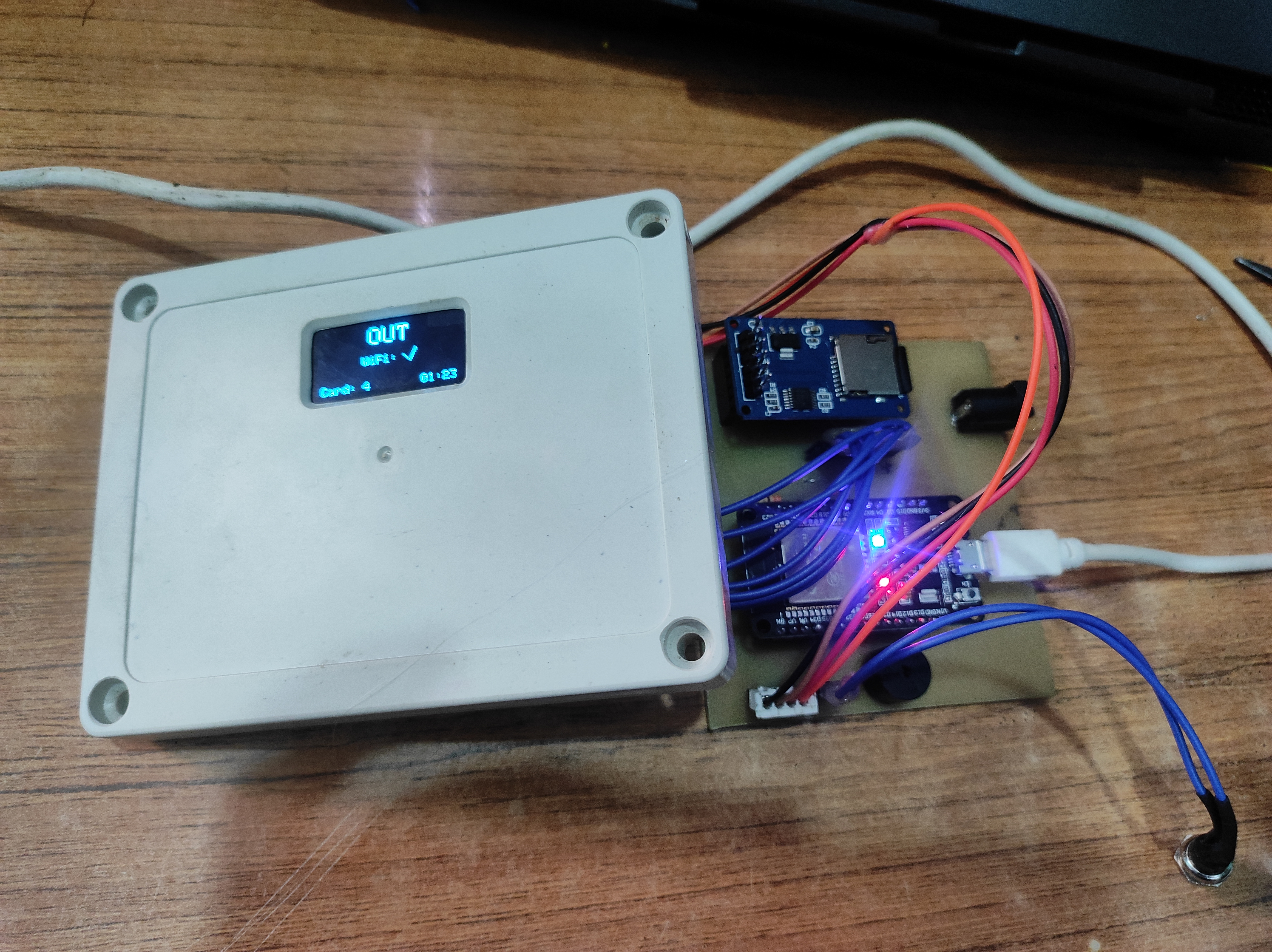
A fast and reliable ESP32-based attendance system using RFID cards, local SD-card storage, a 1.3-inch OLED display, captive-portal configuration, and battery backup.
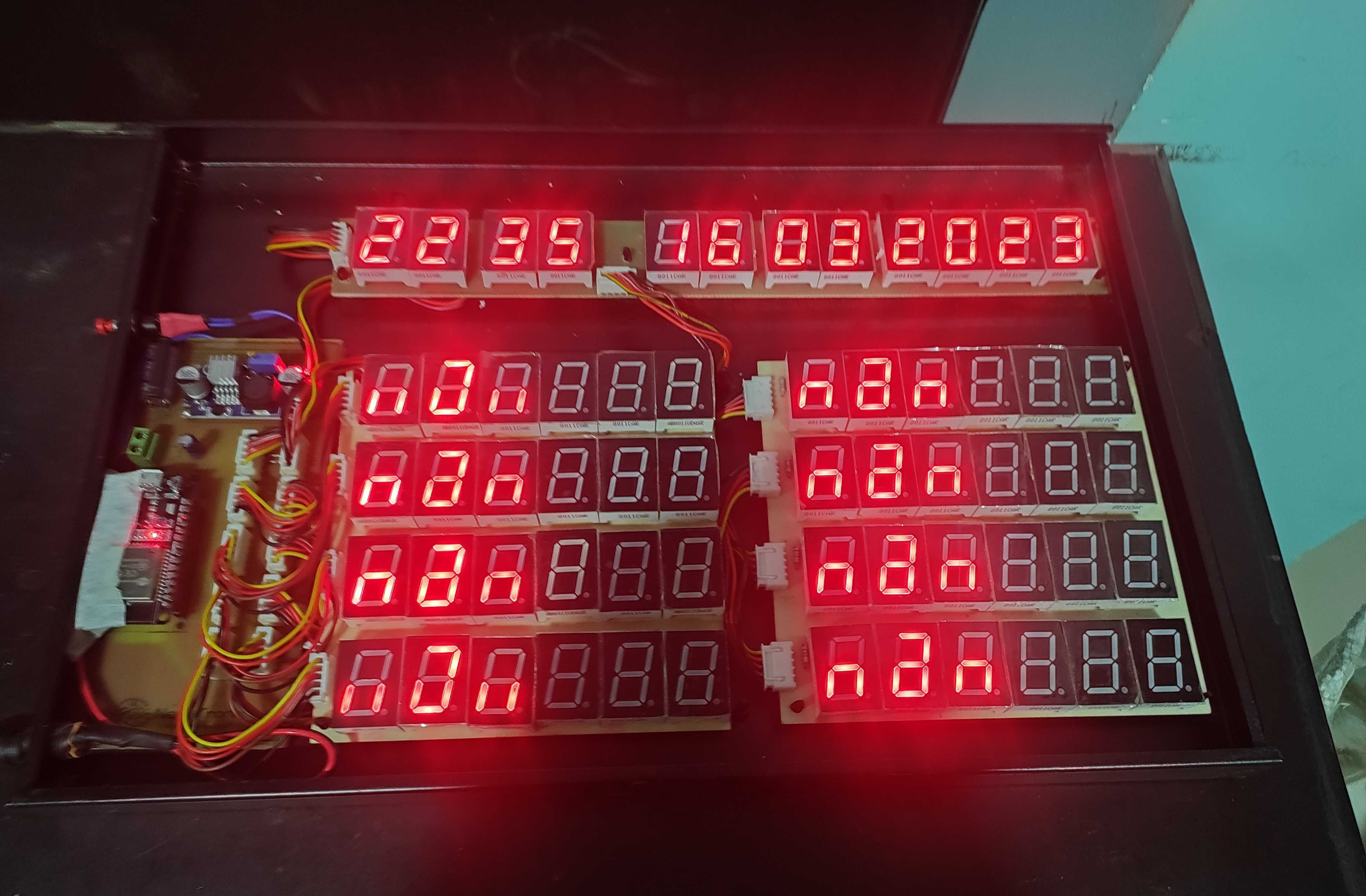
An ESP32-based real-time gold price display system using Wi-Fi, WebSocket communication, and large seven-segment displays for clear and continuously updated pricing.
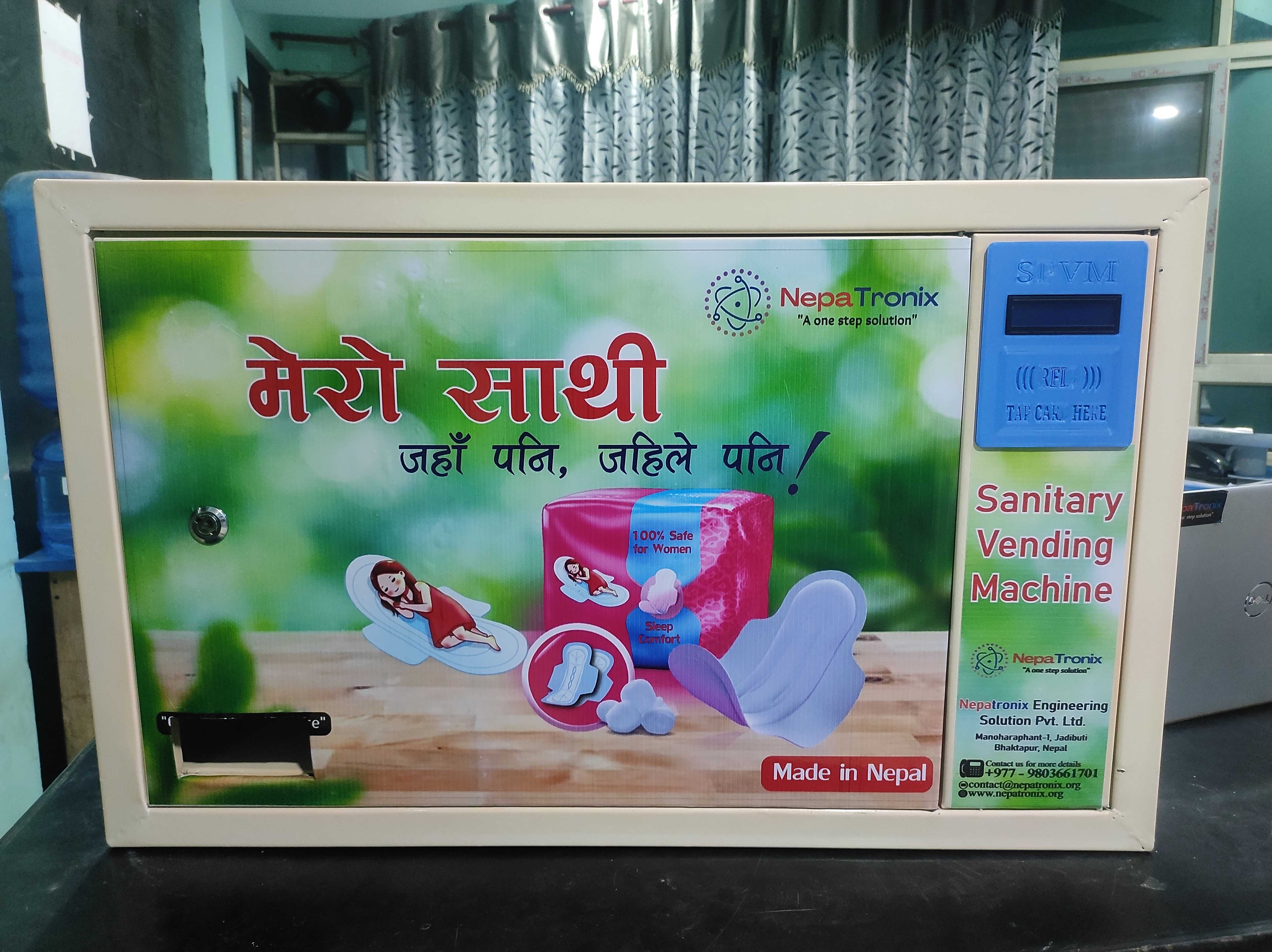
An ESP32-based sanitary pad vending machine with RFID access, automated stepper-motor dispensing, local status display, battery backup, and remote monitoring.
Next Step
We can discuss the sensing strategy, embedded logic, connectivity approach, and software visibility that make the solution practical in the field.