Asset or Equipment Inputs
The system captures the state signals, environmental conditions, counters, or optional location information that matter for the monitored asset.
Solution Area
Asset and equipment monitoring solutions focus on tracking operating condition, usage signals, environmental context, and remote status so distributed equipment can be observed more effectively over time.
Asset and equipment monitoring is most useful when the system captures the conditions that actually help someone understand usage, health, or maintenance status. That can include operating state, environmental exposure, counters, battery condition, or other remote telemetry depending on the equipment.
In some cases, location may also matter, but it should be treated as one component of a wider architecture rather than a shortcut to claiming a finished tracking platform. Connectivity, buffering, health reporting, and interface design still determine whether the system becomes operationally useful.
IoTSolutions approaches this solution area as a connected telemetry problem: meaningful inputs, reliable transport, and a software layer that makes equipment state easier to review over time.
The exact stack depends on the operating environment, but these are the common layers and handoffs that shape this solution area.
The system captures the state signals, environmental conditions, counters, or optional location information that matter for the monitored asset.
A device-side controller handles event capture, local logic, status reporting, and transport preparation.
Communications move telemetry from the monitored equipment into a software layer that can preserve state and history.
Dashboards or internal tools help users understand equipment state, exposure, usage, and emerging service signals.
The monitored signals depend on what the asset needs to report, from environmental exposure to runtime or operating-state information.
The edge device coordinates measurement, local buffering, and device-health reporting.
The transport model should reflect whether the equipment is fixed, dispersed, intermittently connected, or difficult to access.
Software views should help users understand state changes and maintenance signals rather than only presenting raw packets.
Monitoring should capture the signals that support maintenance, visibility, or workflow decisions instead of collecting telemetry without a clear operational use.
Asset and equipment telemetry often depends on transport choices that match mobility, coverage, and maintenance access.
Remote monitoring becomes more practical when telemetry includes enough context about power, link state, and restart behavior.
If location matters, it should be integrated carefully as one system input rather than overstated as a fully developed tracking platform.
Equipment-state dashboards
Remote maintenance indicators
Environmental exposure monitoring for distributed assets
Usage telemetry concepts
Status visibility for unattended equipment
Core Service
Connected system design spanning devices, firmware, communications, data flow, and operator-facing interfaces.
Firmware & Device Logic
Firmware-focused development for microcontroller-based systems, sensor interfaces, device logic, and hardware integration.
Communications Strategy
Connectivity planning and remote telemetry system design shaped by range, power, reliability, infrastructure, and field conditions.
Data Interfaces
Software interfaces and platform-oriented development for monitoring, telemetry visualization, device status, and connected operations.
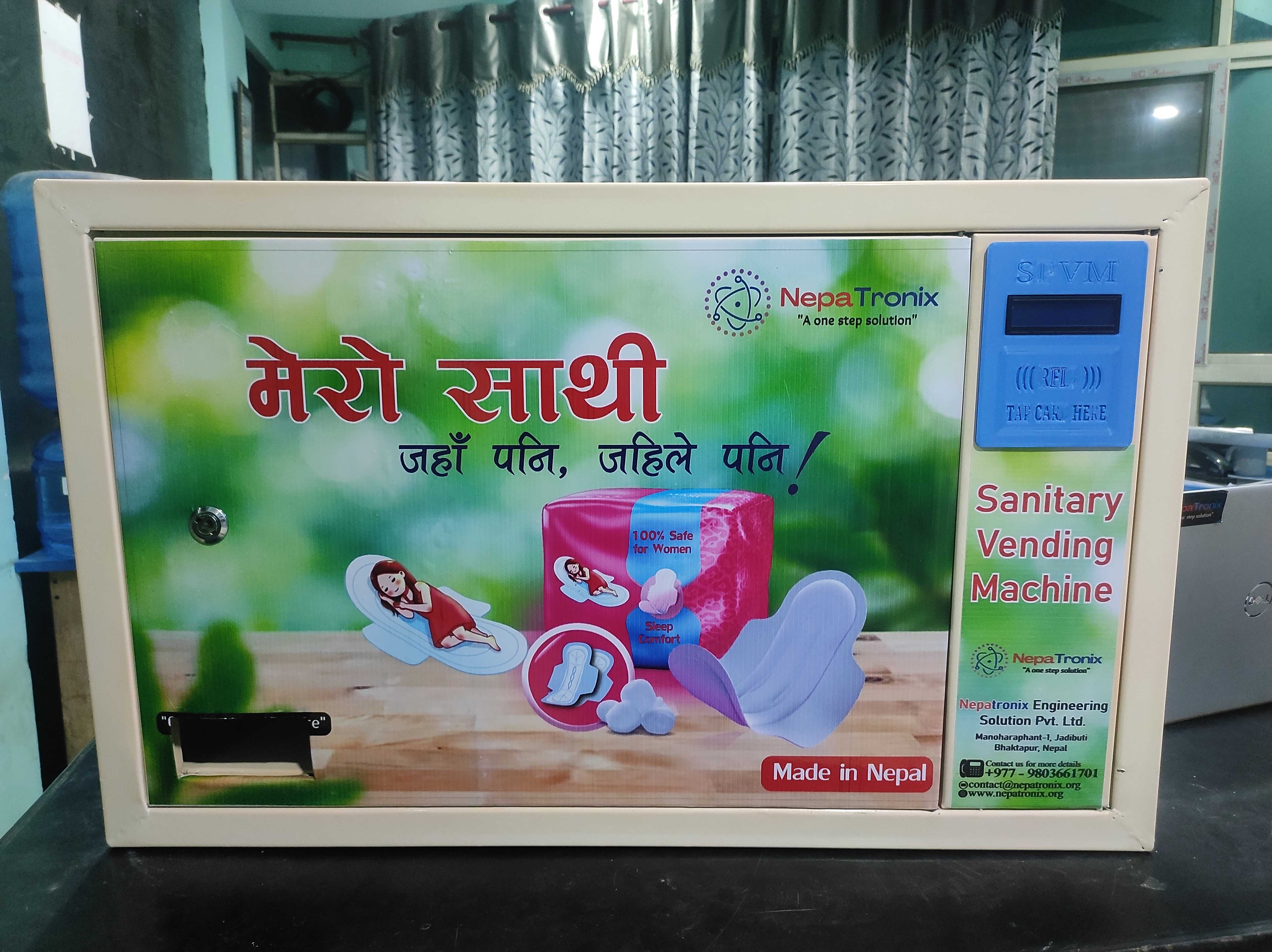
An ESP32-based sanitary pad vending machine with RFID access, automated stepper-motor dispensing, local status display, battery backup, and remote monitoring.
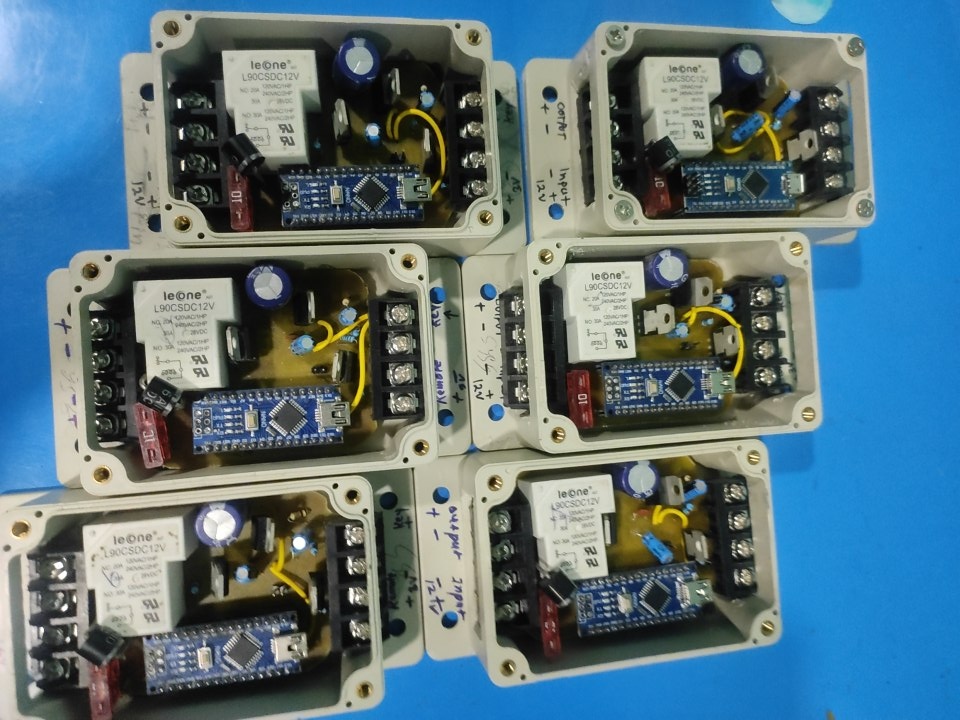
A compact vehicle accessory controller that detects ignition-key state and automatically switches connected devices such as LED displays, TVs, or other 12 V accessories.
Next Step
We can discuss the sensing strategy, embedded logic, connectivity approach, and software visibility that make the solution practical in the field.